x


Escape rooms, almost unnoticed, in a playful form, have a positive effect on our cognitive abilities and skills. Scientific circles have been studying the effects of puzzles on brain function for years. They show an experimental number to uniquely facilitate and improve development and maintenance.
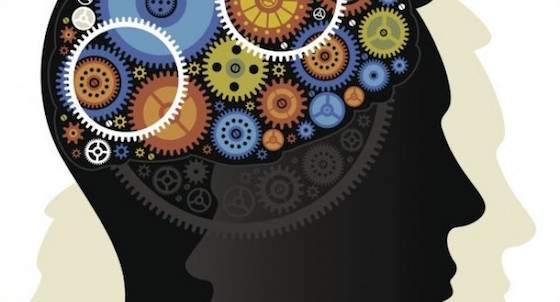
But what is this good for?
The first, and perhaps most obvious thing is that our memory develops in the escape room. Most tasks use our short-term memory. Here we store the traces, the images and the smaller and larger objects in front of us. The practice makes perfect saying is true here as well. The more information we need to store, the more our memory develops. With more exercise than usual during play, the same happens to our memory as it does to our muscles when we lift weights: it grows. Moreover, we will feel the many beneficial effects of this: our situation recognition and problem-solving ability will be faster and better.
Escape games dramatically develop creativity. The vast majority of puzzles require out of box thinking, which means we have to come up with unique ideas instead of the usual templates if we want to be successful. Creativity is not a divine gift, but our cognitive skills can be developed in the same way as anything else. It is not just the privilege of artists, as we may need it in many areas of our lives.
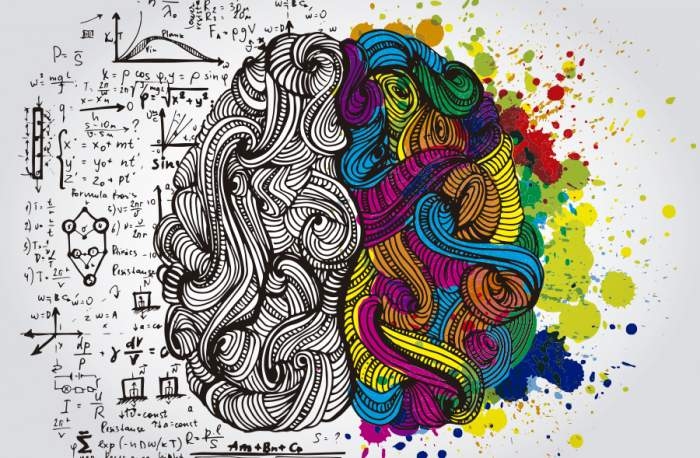
While the simplest way for most people to solve a task is to break it down into subtasks, it results often the case that they do not notice the big picture from the details. The tasks of the escape rooms simultaneously require players to accurately organize the details and have a complex vision. These two things are so different that a separate hemisphere of our brain specializes in it. By using both side parallel, not only is our situational awareness improves, but we help the right and left hemispheres of our brain work together.
As with all challenging tasks, escape games release dopamine in the body. What is this good for? Dopamine is commonly referred to as the happiness hormone, and indeed this compound is responsible for our sense of happiness and satisfaction. Among other things, it appears in our body to a greater extent than usual due to food, love and sex, as well as certain drugs. Attention! You can live without escape rooms, and they are also legal, but that is why they can easily be addictive :)
Problem solving is a complex process in which we need each of the impacts listed above to some degree. In other words, memory, creativity, complex thinking and dopamine all contribute to successfully overcoming the obstacles we also face outside the escape rooms.
Well-designed escape room tasks can only be solved if all members of the team take their share of the effort. We can never know which team member will solve suddenly a task. It quickly becomes clear who is good at what, who reacts how in a stressful situation and who can be relied on in extreme situations. For this reason, in addition to individual skills, escape rooms are also excellent for getting to know our peers and developing teamwork.


